Detroit Beat Guide for 2026
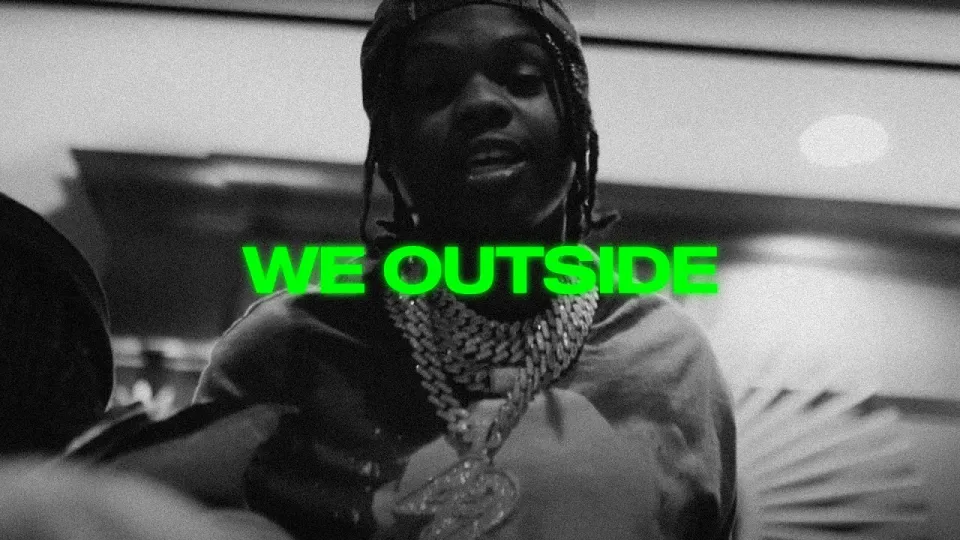
Video: (FREE) HARD DETROIT TYPE BEAT 2024 - "WE OUTSIDE"
Need articles like this for your video? They help promote it on YouTube and Google — order them in the Telegram bot @sat_sit_bot. Articles with your video embedded are written and posted by the bot itself — on popular topical sites (no ads). Try it free: 50 articles on us.
A Detroit beat is a rap instrumental that trades the smooth, jazzy bounce of classic boom-bap for hard, clipped drums, a heavy low end and short, repeating melodic loops that leave room for aggressive punch-in vocals. The free hard Detroit type beat "We Outside" from producer davegotbeats is a working example of that formula, and you can grab it through the purchase and download link https://bsta.rs/XPubtt before deciding how you want to use it.
What a Detroit beat actually is in 2026
A Detroit beat is not defined by a single tempo or drum kit; it is defined by attitude and space. The style grew out of Detroit rap records where the rapper's voice sits on top of the mix like a lead instrument, and the beat answers back with short, punchy phrases rather than long melodic passages.
Key traits you hear in most modern Detroit instrumentals:
- Drums that hit early and dry, with little reverb on the kick and snare.
- A bass line that carries the melody as much as the synth does.
- Loops that are usually two or four bars long, so the vocalist can ride them without getting lost.
- Very few elements at once, which makes the beat easy to record over in a home setup.
"We Outside" follows that template. The title itself signals the energy: a track meant for a hook that sounds like a group chant, not a solo ballad.
How the free "We Outside" beat fits into a release plan
Free type beats are usually distributed as tagged or untagged MP3 files for writing and demo use, while the paid version comes with the untagged WAV and a license. The description of "We Outside" states clearly that a license is required for streaming on Apple Music, Spotify and similar platforms, so the free file is a starting point, not the final master.
A practical order of operations:
- Download the free version and write to it, keeping the tag in mind.
- Record a rough vocal take to find the pocket and the hook.
- Buy the license you need for the distribution you plan, then replace the free file with the untagged WAV.
- Mix and master with the vocal as the loudest element.
If you skip step three, distributors can reject the upload or take the song down later, and the producer has no obligation to clear it after the fact.
Reading the comment section as market research
The comments under "We Outside" are a small sample of how type beats are actually consumed. Several listeners write that they are already recording full songs on it, one mentions a finished track released on their own channel, and others name rappers they want to hear on the instrumental.
That tells you three things about this niche:
- The beat is treated as a launchpad for a finished record, not as background music.
- Artists are actively looking for beats with a hard, chant-ready hook section.
- Producers who reply quickly and provide clear license terms get repeat customers.
The most liked comment is a simple invitation to collaborate, which is typical: the audience for a hard Detroit type beat is mostly other artists, not casual listeners.
Licensing, pricing and the buy-2-get-2-free offer
The video description lists a limited offer of buy two, get two free through the same purchase link, https://bsta.rs/XPubtt. That kind of bundle is common among type beat producers because it lowers the per-track cost for artists who are building an EP or a mixtape.
Before you pay, decide what you need:
- A lease for streaming and monetized YouTube, usually with a distribution cap.
- An exclusive license if you want to control the beat long term and block other artists from using it.
- Trackout stems if your engineer wants to rebalance the drums or bass.
Ask the producer directly at davegotbeats1@gmail.com if the terms are not spelled out on the page. Getting written confirmation of what your license covers is cheaper than fixing a copyright claim later.
Common mistakes when rapping on a hard Detroit beat
Mixing is where most home recordings on Detroit type beats fall apart, because the instrumental is already dense in the low end. The vocal needs to cut through without pushing the beat into distortion.
Typical problems and fixes:
- Vocal buried under the 808: high-pass the vocal around 80 to 100 Hz and let the bass own that range.
- Harsh, thin vocal: cut a narrow band around 2 to 4 kHz instead of boosting the highs.
- Hook that does not lift: double or triple the hook vocal and widen it, while keeping verses in mono or near-mono.
- Clipping on the master: leave 4 to 6 dB of headroom before the final limiter.
Another frequent mistake is ignoring tempo and groove. If the beat is built on short loops, your phrasing should land on the same grid; punching in bar by bar usually sounds tighter than one long take.
How to choose between this beat and other Detroit type beats
A hard Detroit type beat is a tool, so choose it by what your song needs rather than by the title. "We Outside" suits a track with a shouted, repetitive hook and verses that stay in a narrow, rhythmic pocket. If your song needs a sung chorus or a long melodic bridge, a different instrumental with more harmonic movement will serve you better.
A quick checklist before you commit:
- Can you freestyle a full 16 bars without running out of pocket?
- Does the hook land naturally on the existing loop, or are you fighting it?
- Does the beat still sound good on phone speakers, where most of your audience will hear it first?
- Are the license terms clear enough that you can distribute without worry?
If the answer to all four is yes, the beat is doing its job.
Final word on picking up the "We Outside" instrumental
The hard Detroit sound works because it stays out of the vocalist's way while still hitting hard on small speakers, and "We Outside" is a clean example of that approach. Download the free version, write a real song on it, then secure the license you need through https://bsta.rs/XPubtt so the release is safe on streaming platforms. For more instrumentals in the same lane, check the free pack at davegotbeats.net or write to davegotbeats1@gmail.com with questions about terms and stems. This breakdown was put together around the work of the channel davegotbeats, which published the beat and handles the licensing directly.
Key takeaways
- "We Outside" is a free hard Detroit type beat from davegotbeats, built for punch-in rap vocals.
- Free download does not mean free release: streaming on Spotify or Apple Music requires a paid license.
- Purchase link in the video description is https://bsta.rs/XPubtt, with a buy-2-get-2-free offer.
- davegotbeats also offers 15+ free beats at davegotbeats.net and contact at davegotbeats1@gmail.com.
- The comment section shows the beat already being used for full songs, not just practice loops.
Questions & answers
Can I release a song on a free Detroit type beat without paying?
No. The free file is meant for writing and demos. Streaming on Spotify, Apple Music and similar platforms requires a license, which the producer states in the video description. Buy the correct tier before you distribute, or the upload can be rejected or taken down.
What license tier should I get for a hard Detroit type beat?
A standard lease covers most independent releases with a streaming and monetization cap. Choose an exclusive license if you want to own the beat long term or stop other artists from using it. If you plan to sell many copies, ask the producer for trackout stems and written terms first.
How do I mix vocals over a beat this heavy in the low end?
High-pass the vocal around 80 to 100 Hz so the 808 owns the sub range, then cut rather than boost in the 2 to 4 kHz area if the voice sounds harsh. Keep the master with 4 to 6 dB of headroom and let the limiter do the final loudness.
Is the buy-2-get-2-free deal worth it for a short project?
It depends on how many tracks you plan to release. The bundle lowers the per-beat cost, which helps if you are building an EP or a mixtape and want a consistent sound. If you only need one song, a single lease is simpler and cheaper.
Source: (FREE) HARD DETROIT TYPE BEAT 2024 - "WE OUTSIDE" · Markdown version